Top 10 Spin Forming Machine Features You Should Consider?
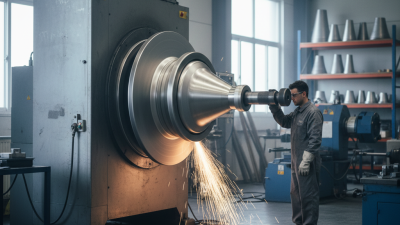
In the manufacturing world, the Spin Forming Machine stands out for its precision and efficiency. Recent industry reports highlight that over 40% of manufacturers prioritize advanced forming technologies to improve product quality. Spin forming, specifically, allows for the production of complex shapes with minimal waste. This technology enhances material properties through deformation processes, making it a preferred choice across various sectors.
However, selecting the right Spin Forming Machine can be overwhelming due to the myriad of options available. Features such as speed, tooling versatility, and automation capabilities significantly influence manufacturing outcomes. Data shows that machines with integrated software can reduce setup times by 30%, directly impacting productivity. Yet, not all machines perform consistently, and understanding each feature is crucial for optimal investment.
Considering the appropriate features in a Spin Forming Machine is essential. It not only influences operational efficiency but also affects overall production costs. In a competitive market, making informed decisions is vital for staying ahead. Manufacturers must weigh their needs against machine capabilities to ensure their choice aligns with the desired output and quality.
Key Features of Spin Forming Machines for Enhanced Efficiency
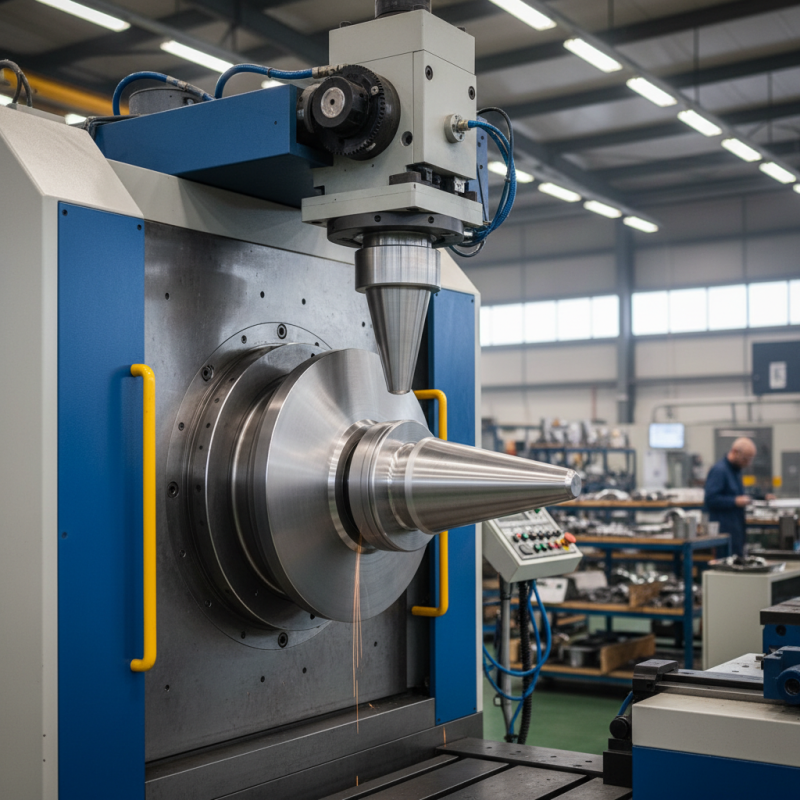
When choosing spin forming machines, efficiency hinges on various key features. Understanding these can greatly enhance production capabilities. One significant aspect is the machine's torque control. Effective torque adjustments allow for precise shaping, especially in complex designs. A study from the Metal Forming Association noted that machines with advanced torque control can reduce scrap rates by up to 15%. This translates directly into cost savings and improved material utilization.
Another critical element is the machine's speed variability. High-performing spin forming machines often feature adjustable speeds that cater to different materials. Research by the Fabricators and Manufacturers Association suggests that variability in speeds can enhance the surface finish by 20% and reduce cycle times. However, operators must be trained to optimize this feature, as improper usage may lead to inconsistent results.
Equally important are the machine's tooling options. Versatile tooling enhances flexibility and allows manufacturers to adapt to various project requirements. A report by the International Journal of Manufacturing Technology highlighted that machines with interchangeable tooling increase workflow efficiency by 30%. Yet, the design must prioritize ease of changeover to avoid downtime. Professional operators need to account for potential learning curves here.
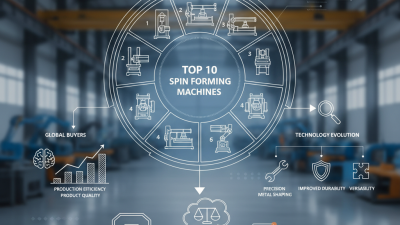
Top 10 Spin Forming Machine Features You Should Consider
| Feature |
Description |
Importance |
| Adjustable Speed Control |
Allows operators to modify the spinning speed for various materials. |
High |
| Material Compatibility |
Supports a wide range of materials such as metals and plastics. |
Medium |
| Production Capacity |
Maximized output without compromising quality. |
High |
| Ease of Use |
User-friendly interface for quick training. |
High |
| Durability |
Robust construction for long-term operation. |
High |
| Safety Features |
Emergency stops, shields, and other safety mechanisms. |
High |
| Energy Efficiency |
Reduced energy consumption with efficient operation. |
Medium |
| Precision and Accuracy |
High tolerance levels to achieve precise shapes. |
High |
| Automation Capability |
Ability to integrate with automated systems for enhanced productivity. |
Medium |
| Maintenance Requirements |
Minimized downtime with easy maintenance procedures. |
Medium |
Material Compatibility: Selecting the Right Machine for Your Needs
When selecting a spin forming machine, material compatibility is crucial. Different materials require specific machine features for optimal performance. Aluminum, for instance, is lightweight and malleable, making it a popular choice in the automotive industry. According to a recent industry report, aluminum production increased by 18% in 2022 due to its rising demand. On the other hand, steel, which is more rigid, often demands machines with greater torque and strength.
Understanding the characteristics of materials is essential. Titanium, known for its strength-to-weight ratio, poses unique challenges. It is less forgiving during forming processes, and thus requires precise machine settings. A study showed that over 30% of manufacturers faced issues with titanium forming due to inadequate machinery. Consequently, selecting a machine capable of handling diverse materials can enhance production efficiency.
Moreover, costs can be impacted based on material choices. Some materials may wear down machinery quicker, leading to increased maintenance. This highlights the importance of balancing material needs with machine longevity. Operators should assess their materials regularly. This approach can prevent unexpected downtime and production issues. Choosing the right machine ensures a sustainable and efficient production process.
Top 10 Spin Forming Machine Features You Should Consider
Control Systems and Automation: Improving Precision in Spin Forming
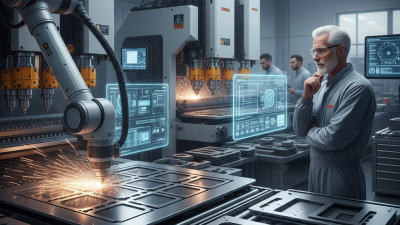
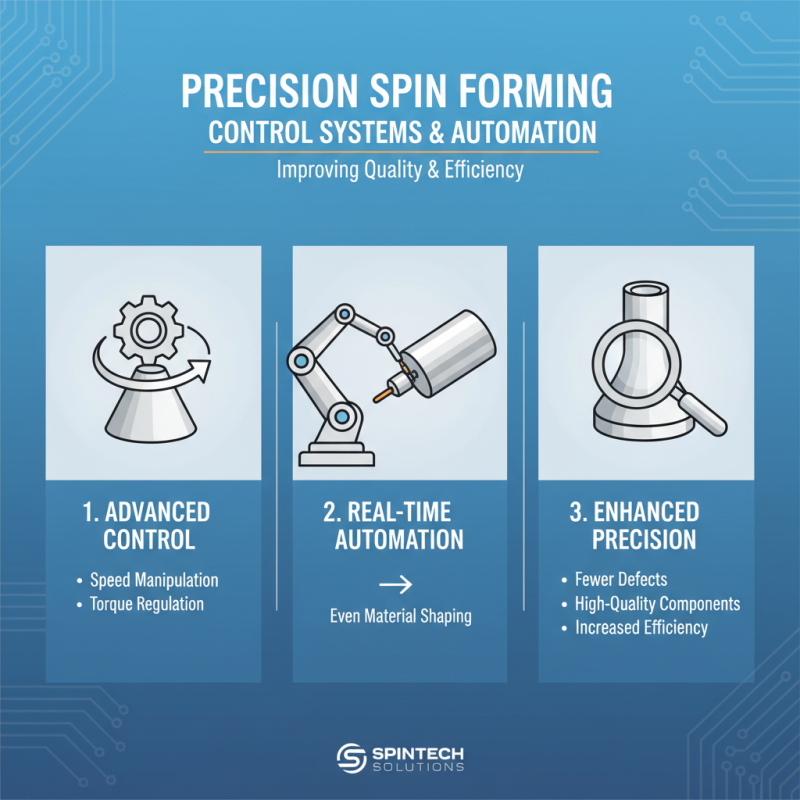
Control systems and automation play a crucial role in spin forming. Precision is key in creating high-quality components. Advanced control systems allow for precise manipulation of speed and torque. This ensures the material is shaped evenly, resulting in fewer defects.
Automation enhances the efficiency of the spin forming process. It minimizes human error, which often leads to inconsistent results. Smart sensors can monitor parameters in real time. Adjustments can be made instantly, maintaining the required specifications. However, reliance on automation requires careful consideration. Equipment malfunction could disrupt production, highlighting the importance of regular maintenance.
Integrating automation with manual oversight offers a balanced approach. Technicians can step in when complex issues arise, ensuring quality remains high. This hybrid strategy can be more resilient. Yet, it requires skilled operators who understand both the technology and the process. Emphasizing education and training for staff is essential for success.
Safety Features: Ensuring Operator Protection in Spin Forming Machines
Safety features are critical in spin forming machines. Operators work in environments with high-speed rotating equipment. Protecting them from potential hazards is a must. For example, proper guarding mechanisms should shield moving parts. These can prevent accidental contact and injuries.
Emergency stop buttons offer immediate shutdown capability. They should be placed in accessible locations. Operators should be able to reach them quickly in case of danger. Furthermore, a robust safety interlock system can ensure the machine cannot operate when safety guards are removed. Visual and auditory alarms can alert operators about dangerous conditions.
Training on safety protocols is essential. Operators must understand the risks involved with spinning operations. Regular safety drills can reinforce these practices and enhance awareness. It’s not enough to have safety features; operators must use them effectively. Continuous reflection on safety practices can lead to advancements.
Maintenance and Support: Essential Services for Longevity of Equipment
Maintenance and support are crucial for the longevity of spin forming machines. Regular upkeep prevents unexpected breakdowns that can halt production. It's important to establish a routine maintenance schedule. This includes inspections of critical components like bearings and drive systems. Not all machines are built the same. Understanding specific requirements can be challenging.
Additionally, having access to reliable technical support is essential. Issues may arise unexpectedly, and knowing whom to contact can save time and resources. Consider if support is available 24/7. Some companies may offer limited hours, which can be frustrating during urgent situations. Training your team on basic troubleshooting can enhance overall efficiency.
Not every maintenance protocol will work for every machine. It's vital to assess what works best for your specific setup. Sometimes, the solutions may not be straightforward. Reflecting on past maintenance failures can guide future decisions. Every machine has its quirks. Embracing these nuances can lead to better performance in the long run.