How to Source Spinning Steel for Your Business Needs?
When sourcing materials for a business, finding the right type can be challenging. Spinning Steel is a critical material used in various industries, from manufacturing to construction. Understanding how to effectively source Spinning Steel is essential for quality and cost-effectiveness.
Choosing a reliable supplier is fundamental. Researching multiple suppliers can help in identifying the best options. It’s important to assess their reputation and service history. Quality control is another crucial aspect of sourcing. Ensure the Spinning Steel meets industry standards. This can prevent issues during production.
However, sourcing materials is not always straightforward. Prices can fluctuate, and availability may vary. Businesses often face unexpected challenges, such as delays in delivery. Reflecting on these obstacles can lead to better planning and decision-making. By prioritizing the right suppliers and maintaining flexibility, sourcing Spinning Steel can become a more manageable process.
Understanding the Basics of Spinning Steel and Its Applications
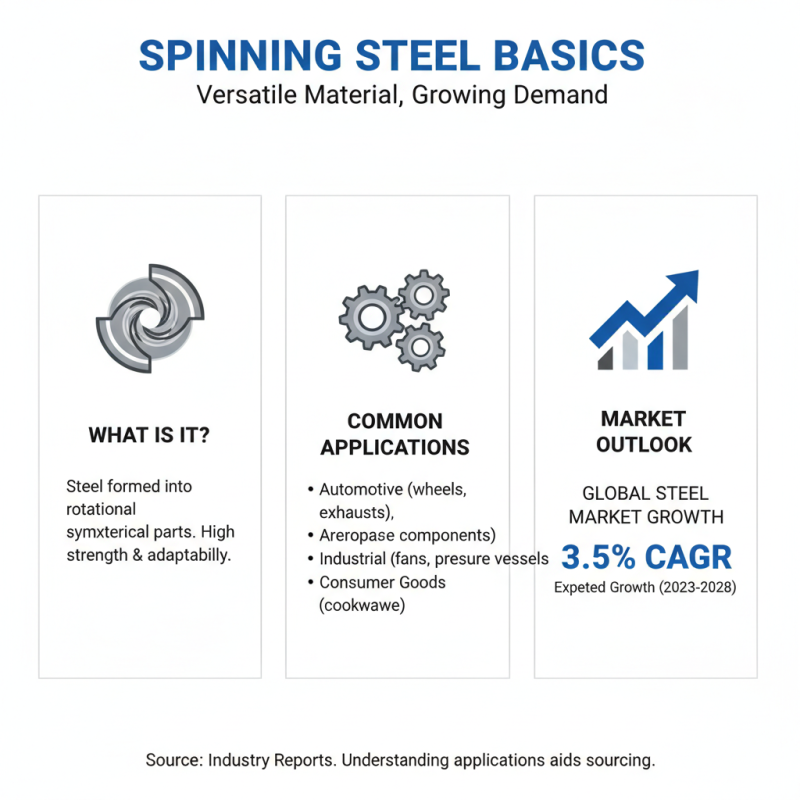
Spinning steel is a versatile material often used in manufacturing. Understanding its applications can lead to better sourcing decisions. According to industry reports, the global steel market is expected to grow significantly in the coming years, with an annual growth rate of around 3.5%. This statistic highlights the increasing demand for steel products, including spinning steel.
Spinning steel is crucial in various industries, such as automotive and aerospace. It is often used to create lightweight yet strong components. In the automotive sector, spinning steel parts can reduce vehicle weight while maintaining structural integrity. The aerospace industry also benefits, as spinning steel can be used in structural and turbine components. However, not all spinning steel is created equal. Variations in quality and specifications can impact their performance.
When sourcing spinning steel, consider the specifics of your project. The grade of steel will influence durability and cost. It’s essential to work with suppliers who provide transparent data on material properties. Be cautious of claims that seem too good to be true. Quality control in manufacturing processes can vary. Always ask for certifications and test results. Industry standards play a vital role in ensuring the reliability of the products you source.
Identifying Quality Suppliers for Spinning Steel Materials
Finding quality suppliers for spinning steel materials is crucial for business success. It involves research and careful evaluation. Look for suppliers with a proven track record in the industry. Their experience often reflects reliability. Consider their production capabilities and technology used. A supplier with modern equipment tends to deliver better quality.
Check supplier certifications and quality assurance processes. This ensures they meet industry standards. Visit their facilities if possible. Seeing operations firsthand can give you valuable insights. Engage in conversations with past clients to gauge satisfaction. Ask about the durability and consistency of delivered products.
Be aware that not every supplier will meet your expectations. Common pitfalls include delayed deliveries and subpar materials. Keep communication clear to avoid misunderstandings. Establishing a strong partnership can lead to better pricing and availability. Remember to reassess suppliers regularly to maintain quality in your supply chain.
Evaluating the Cost-Effectiveness of Different Spinning Steel Options
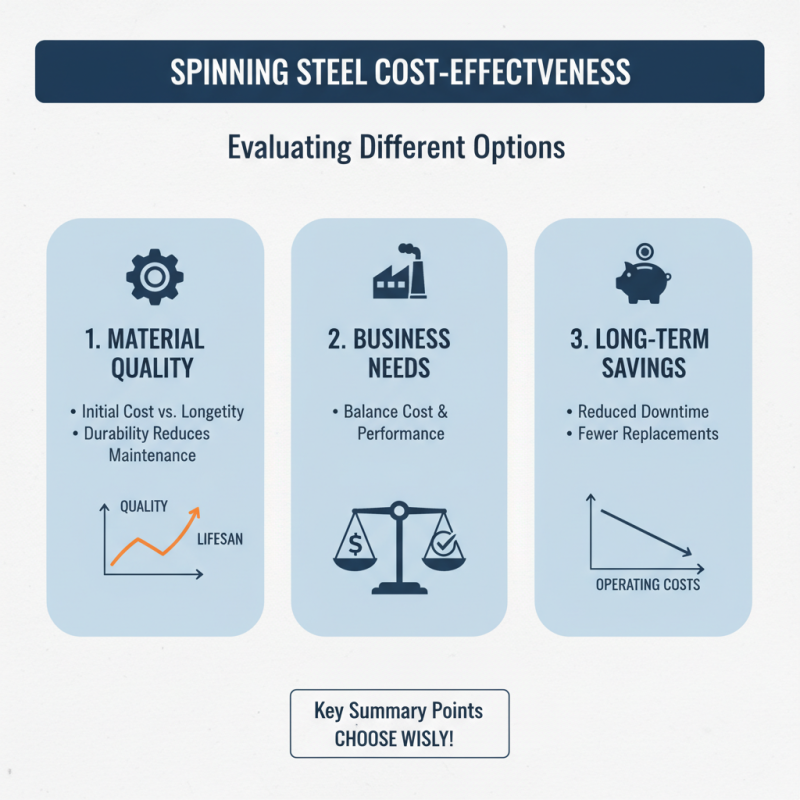
When evaluating the cost-effectiveness of different spinning steel options, it’s crucial to consider various factors. The material's quality plays a significant role in its longevity and performance. Higher-quality spinning steel may have a steeper initial cost, but it can lead to savings through durability and reduced maintenance. Assessing your specific business needs is essential to find the right balance between cost and quality.
In addition to material quality, sourcing methods can impact overall cost. Bulk buying often reduces per unit pricing, while local suppliers might offer competitive rates with shorter lead times. However, balancing cost advantages with reliability is tricky. A lower price might mean compromised quality or longer delivery times.
Consider potential hidden costs too. Shipping fees, storage, and handling can add up. Researching your suppliers thoroughly can reveal their reputation. It’s wise to request samples to evaluate their spinning steel firsthand. Identifying the best fit for your business can be a process filled with uncertainties and setbacks. However, understanding these dynamics will help you make informed decisions moving forward.
Key Industry Standards and Certifications for Spinning Steel Sourcing
When sourcing spinning steel, understanding industry standards and certifications is crucial. These guidelines ensure the quality and safety of the materials you use. Common certifications include ISO 9001 for quality management and ASTM standards, which specify material properties and testing requirements. Knowing these can help you evaluate potential suppliers more effectively.
Finding reliable suppliers can be challenging. It’s essential to inquire about their certifications. Don’t hesitate to ask for documentation. Verify their claims through third-party sources. This ensures that you are partnering with a credible company that adheres to industry standards.
Tip: Always check if the supplier has a track record of compliance with relevant standards. You can build long-term relationships when you offer them constructive feedback. Establishing clear expectations aligns your goals with the supplier's capabilities. This creates a win-win scenario for both parties.
Steel Production Capacities by Region (2023)
This chart depicts the steel production capacities across different regions in 2023, highlighting the significant production levels in Asia compared to other regions.
Analyzing Market Trends and Demand for Spinning Steel Production
The demand for spinning steel has shown a notable increase in recent years. According to a recent report by Global Industry Analysts, the global spinning steel market is expected to reach USD 9 billion by 2028, growing at a CAGR of 4.5%. This growth reflects rising applications in automotive, construction, and manufacturing sectors. Manufacturers are keen to understand these trends to align their sourcing strategies effectively.
In the past year, major shifts in the supply chain have impacted spinning steel prices. A report by Market Research Future highlights that disruptions due to the pandemic and geopolitical tensions have led to fluctuating raw material costs. Suppliers that were once stable might not guarantee the same reliability today. Businesses must remain vigilant about tracking these patterns to secure favorable purchasing agreements.
Despite the attractive growth prospects, challenges persist. Sourcing spinning steel requires careful evaluation of suppliers and their production capacities. Ensuring quality while managing costs is complex. Companies may need to diversify their supplier base to mitigate risks associated with single-source dependencies. Failing to adapt can result in supply shortages, affecting production schedules. Thus, companies must proactively engage in market research and supplier assessments.