Why Choose Spinning Steel for Global Sourcing?
Choosing Spinning Steel for global sourcing can improve consistency, flexibility, and long-term supply planning. This material supports demanding applications where surface quality, dimensional control, and repeatable performance matter. Buyers may source spun steel components for industrial equipment, lighting, automotive systems, and architectural products. Each use requires careful evaluation. A polished surface may suit visible parts, while a thicker gauge may provide strength for structural assemblies.
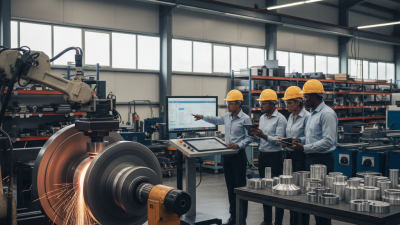
Reliable sourcing begins with evidence, not attractive quotations. Experienced buyers should review material grades, tolerances, forming methods, and production capacity. They should also request samples before approving large orders. A sample can reveal uneven edges, weak welds, or finish differences under warehouse lighting. Factory audits, inspection records, and traceable certificates add confidence. Packaging matters too. Properly protected parts should arrive without dents, moisture marks, or damaged threads.
Spinning Steel is not automatically the best choice for every project. Tooling costs, minimum order quantities, freight conditions, and regional standards can change the total value. These details are sometimes underestimated. A dependable supplier explains limitations instead of promising perfection. Buyers should compare test results, communication speed, corrective-action records, and delivery history. Small pilot orders can expose problems before they affect a full production schedule. Even then, no sourcing model is flawless. Material prices may shift, forecasts may fail, and inspection can miss hidden defects. A practical sourcing decision balances verified performance, transparent risk, and the supplier’s ability to improve when conditions change.
Spinning Steel Defined: Forming Methods, Grades, and Typical Applications
Why Choose Spinning Steel for Global Sourcing?
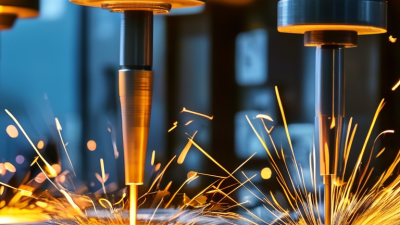
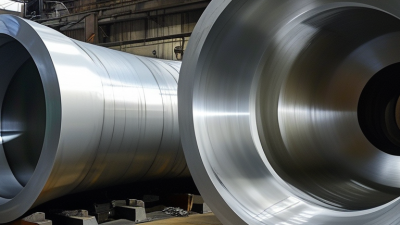
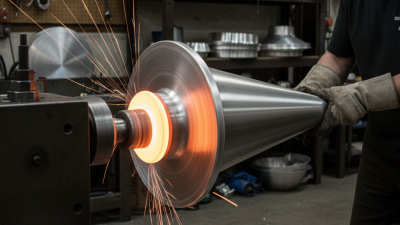
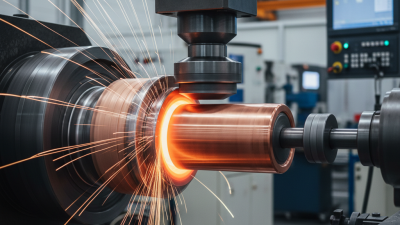
Spinning steel is formed by pressing a flat metal blank against a rotating mandrel. A roller gradually shapes the blank into a round, seamless shell. Unlike deep drawing, spinning can support low-volume production and fast design changes. Manual spinning suits prototypes and simple parts. CNC spinning provides repeatable dimensions for larger production runs. Shear spinning can reduce wall thickness while improving material efficiency. The process still demands skilled setup. Small alignment errors can affect the final profile.
Material grade should match the working environment. 304 stainless steel offers general corrosion resistance and easy fabrication. 316L performs better near saltwater or aggressive chemicals. Carbon steel remains practical for structural housings, ducts, and pressure-related components when properly protected. Typical applications include lighting reflectors, cookware, exhaust cones, medical vessels, and industrial covers. Each use needs review of thickness, diameter, tolerances, surface finish, and joining method. A suitable grade on paper may fail after welding or forming. That possibility deserves honest testing.
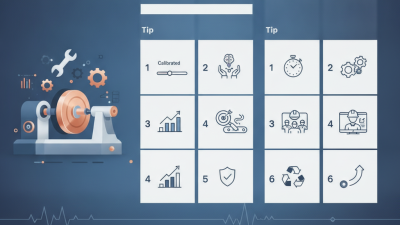
Tips: Share a clear drawing, material standard, and target quantity before requesting quotes. Ask for sample measurements at the rim, wall, and base. Check springback after forming. It can be underestimated. Confirm whether heat treatment, polishing, coating, or inspection records are included. For global sourcing, clarify packaging and dimensional reports early. A first specification is rarely perfect. Refine it after the prototype.
Global Supply Scale: 1,892 Mt of Crude Steel in 2023 (World Steel Association)
Why Choose Spinning Steel for Global Sourcing?
Global steel supply offers remarkable scale. The World Steel Association reported 1,892 million tonnes of crude steel production in 2023. This figure shows the depth of the international manufacturing base. It also explains why spinning steel can support varied sourcing programs, from precision rings to large industrial components. Buyers can compare mills, production regions, lead times, and material grades with greater confidence.
Scale matters, but control matters more. Experienced sourcing teams review chemical composition, tensile strength, wall thickness, and surface finish before production begins. They also check whether a supplier can repeat the same result across several batches. A practical inspection may include dimensional checks with calibrated tools, visual examination, and independent laboratory testing. Small differences can affect assembly.
Details decide quality.
Global capacity does not remove risk. Shipping delays, unclear drawings, and changing raw material costs can disturb an otherwise strong plan. I have seen projects lose time because packaging requirements were discussed too late. That mistake is avoidable, though not always avoided. Clear specifications, sample approval, traceable production records, and agreed inspection points create stronger accountability. Steel sourcing should remain flexible, but every change deserves documentation. The 1,892 Mt production base creates options; disciplined evaluation determines which option is dependable.
Sourcing Economics: China Produced 1,019 Mt of Steel in 2023 (World Steel)
China produced 1,019 million tonnes of crude steel in 2023, according to the World Steel Association. This volume strongly influences global sourcing economics. Large output supports broad mill capacity, competitive conversion costs, and many product forms. Buyers can compare coils, sheets, bars, and fabricated components through established industrial channels. In practical sourcing work, scale often shortens the search for suitable capacity. However, volume alone does not guarantee value.
A procurement team should examine grade consistency, test certificates, dimensional tolerance, and shipment reliability. A low quoted price may change after tooling, inland freight, inspection, and port handling. Currency movements can also affect the final landed cost. China's dense manufacturing network may connect steel producers with downstream processors efficiently. This can simplify custom spinning steel orders. It can also create too many choices. Mistakes happen.
Reliable sourcing requires clear specifications, independent verification, and sample approval before larger orders. Buyers should check production records, heat numbers, surface condition, and packaging details. World Steel's production figure provides useful market context, not a quality certificate. That distinction matters. A supplier's capacity, ownership structure, and export experience deserve careful review. I would still test a small shipment first, even when the factory appears highly capable. It costs time, but it can expose weak assumptions before they become expensive problems. Scale is not everything.
Supplier Evaluation: ISO 9001, EN 10204, Tolerances, Capacity, and Lead Times
Why Choose Spinning Steel for Global Sourcing?
Supplier evaluation begins with evidence, not attractive samples.
ISO’s 2022 Survey recorded more than 1.2 million ISO 9001 certificates worldwide.
Yet certification alone cannot prove stable production. Request the current certificate, scope, audit status, and corrective-action records.
For steel traceability, EN 10204 documentation matters.
A 3.1 certificate provides inspection results validated by the manufacturer’s authorized department.
A 3.2 certificate adds independent or purchaser-appointed validation.
Match the document level to your risk.
Tolerances should appear on drawings and inspection plans, not only in emails.
Confirm wall thickness, diameter, ovality, surface finish, and allowable distortion.
Ask for actual capability data, such as Cpk results, rather than promised precision.
Capacity also needs practical testing. Review machine lists, tooling availability, shift patterns, subcontracting controls, and monthly output.
UNCTAD’s Review of Maritime Transport 2023 reported continuing disruption risks across global shipping routes.
Therefore, lead time should include production, inspection, packing, customs, and transit buffers.
A quoted “20 days” may exclude half the journey.
Tips:
Request three recent inspection reports from different months.
Compare measured values against drawings.
Ask suppliers to separate confirmed capacity from theoretical capacity.
Keep one pilot order before scaling.
A certificate can be genuine, but the process may still drift.
I have found that small tolerance disputes often reveal weak document control.
That is uncomfortable, but useful.
Recheck assumptions before approving a long-term contract.
Carbon and Compliance: Steel Generates 7–9% of Global CO₂ Emissions (IEA)
Why Choose Spinning Steel for Global Sourcing?
Carbon and Compliance
Steel Generates 7–9% of Global CO₂ Emissions (IEA)
Steel sourcing now carries a larger responsibility than price and delivery. The International Energy Agency estimates that steel production creates 7–9% of global carbon dioxide emissions. That figure changes the buying conversation. A low-cost coil can carry a high environmental burden.
Reliable sourcing starts with measurable evidence. Buyers should request mill-level emissions data, production routes, recycled content, and energy sources. An electric arc furnace using scrap may produce fewer emissions than a coal-based blast furnace. However, the result depends on electricity quality, scrap availability, and process efficiency. The numbers are not always neat.
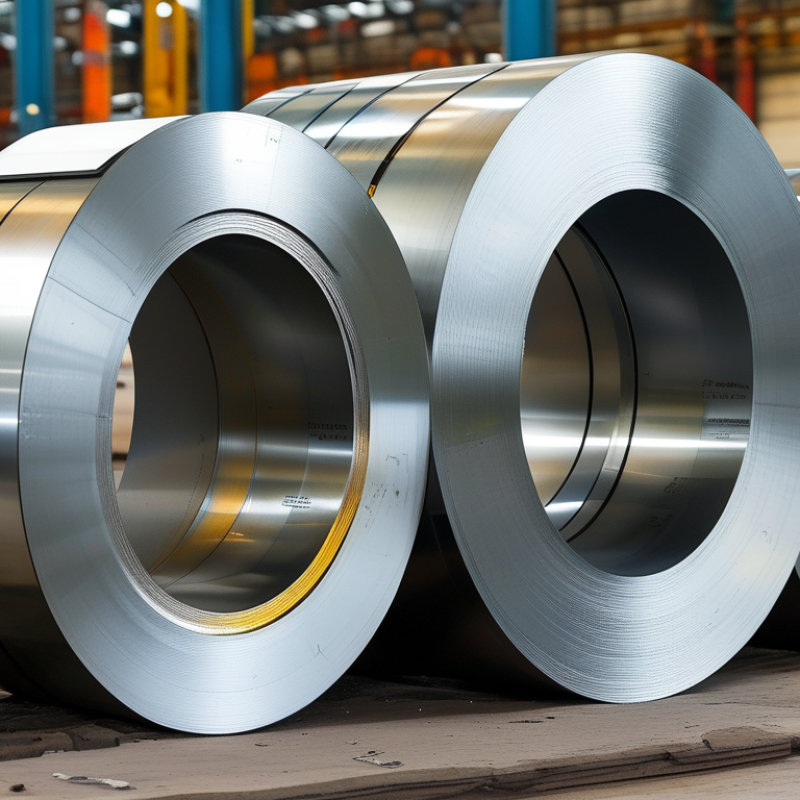
Physical details matter too. A sourcing team can compare a 1.2-millimeter coil, its shipment distance, packaging weight, and delivery frequency. Fewer urgent shipments may reduce transport emissions and avoid production delays. Digital certificates, traceability records, and third-party verification also support compliance across changing markets. Documents alone are not enough. Someone must check them.
Experience shows that carbon claims often weaken at the supply-chain edges. Processing, coating, storage, and transport can be overlooked. A supplier may report factory emissions but exclude downstream energy use. That gap deserves questions, not assumptions. Global buyers need steel partners who can explain both performance and limitations, even when the answer is inconvenient.