10 Tips for Accurate Metal Spinning Process Efficiency?
The metal spinning process is essential in various industries, from aerospace to automotive. Achieving an Accurate Metal Spinning technique is crucial for producing high-quality components. With proper techniques, manufacturers can enhance efficiency and reduce waste. However, many face challenges in perfecting this process.
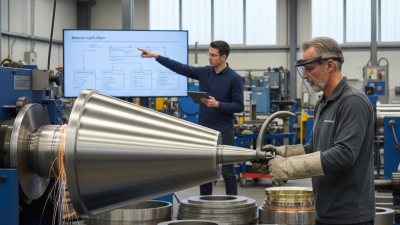
Accuracy in metal spinning requires skilled operators and modern equipment. Knowledge of materials and their properties plays a significant role. Furthermore, the process can be susceptible to errors. Operators might overlook vital adjustments, leading to wasted time and resources. Regular training and careful monitoring are necessary to improve this.
In exploring tips for efficiency, one can identify common pitfalls. For instance, inadequate machine calibration can affect precision. On the other hand, small adjustments can lead to significant improvements. Operators must remain vigilant, always seeking enhancements in their methods. The journey to mastering Accurate Metal Spinning is ongoing, filled with learning opportunities and potential setbacks.

Understanding the Basics of Metal Spinning Process Efficiency
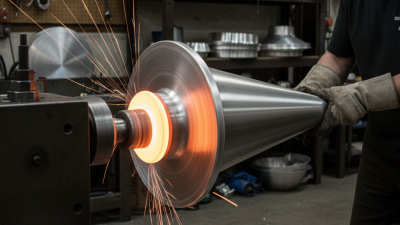
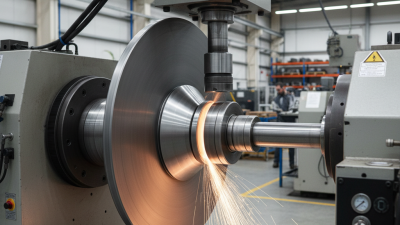
Understanding the basics of metal spinning process efficiency is crucial for manufacturers seeking to optimize their operations. The metal spinning process involves shaping metal into desired forms using a rotating lathe. Achieving efficiency requires a solid grasp of the techniques and materials involved. According to a recent industry report, optimizing the process can reduce production time by up to 30%. This creates significant cost savings in the long run.
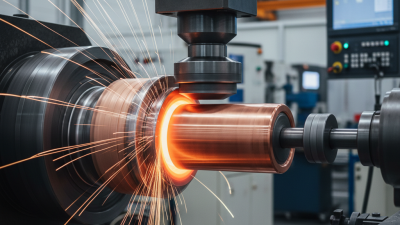
One tip for improving efficiency is to ensure proper tool selection. The right tools will enhance accuracy and prolong tool life. Additionally, training operators on machine settings can yield better results. Data indicates that well-trained staff can improve the spinning quality and reduce scrap rates by as much as 15%. Another effective strategy is to monitor temperature and force levels during the process. Elevated temperatures can cause material deformation, leading to added waste.
However, not all processes flow smoothly. Sometimes, unexpected material defects can arise. These issues underscore the importance of ongoing training and process evaluation. Regular audits of the spinning process can help identify areas for improvement. In summary, staying proactive about these factors can significantly enhance metal spinning efficiency while minimizing risks.
10 Tips for Accurate Metal Spinning Process Efficiency
| Tip Number |
Tip Description |
Expected Outcome |
Implementation Difficulty |
| 1 |
Choose the right material. |
Improved quality and reduced rejection rates. |
Low |
| 2 |
Optimize the tooling design. |
Increased tool life and part precision. |
Medium |
| 3 |
Maintain consistent RPM during spinning. |
Better surface finish and dimensional accuracy. |
Medium |
| 4 |
Set proper feed rate. |
Reduced cycle time and improved throughput. |
Medium |
| 5 |
Regularly inspect and maintain equipment. |
Fewer breakdowns and longer machine life. |
High |
| 6 |
Train operators regularly. |
Increased skill levels leading to fewer errors. |
Medium |
| 7 |
Implement quality control measures. |
Enhanced product quality and consistency. |
Medium |
| 8 |
Utilize advanced technology (like CAD/CAM). |
Improved accuracy in design and manufacturing. |
High |
| 9 |
Standardize processes. |
Increased efficiency and repeatability. |
Medium |
| 10 |
Monitor production metrics closely. |
Quick identification of inefficiencies. |
Medium |
Key Factors Influencing Accuracy in Metal Spinning
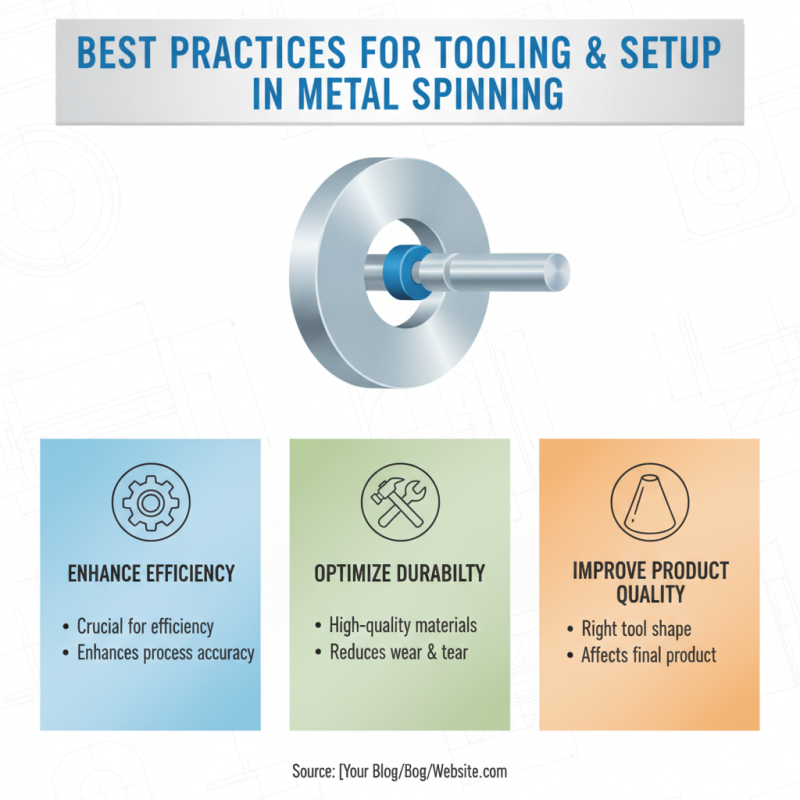
The metal spinning process requires precision and efficiency for optimal results. One key factor influencing accuracy is tool selection. The right tools enhance the formation quality and lower the chance of errors. Regular inspections of tools will ensure they are sharp and appropriately sized for the task. Dull tools can lead to inconsistencies in the shape and finish of the spun metal.
Material choice plays a significant role as well. Different metals behave uniquely during the spinning process. Understanding the properties of each metal will help in achieving desired outcomes. Properties such as ductility and strength determine how easily a metal can be shaped. It's also crucial to maintain consistent material temperatures, as variations can impact the spinning process. Inconsistent temperatures can lead to warping or uneven thickness.
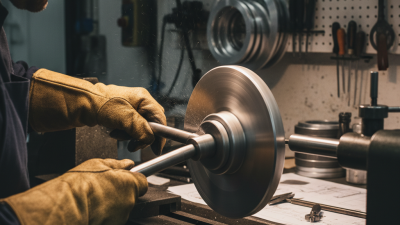
Another vital aspect is the setup of the spinning machine. Ensuring that the machine is calibrated correctly is essential. Minor adjustments can make a big difference in final product accuracy. Operators should be trained to identify and correct misalignments quickly. Regular maintenance can prevent machine failures and inaccuracies in production. Regular training sessions can enhance operator skills and awareness of best practices.
Techniques for Measuring and Monitoring Process Performance
Efficiency in metal spinning relies heavily on accurate measurements and real-time monitoring of process performance. Emphasizing key metrics can significantly enhance the overall outcome. Tools such as laser sensors and digital calipers can provide precise measurements of dimensions. Regular audits of machinery settings can reveal inconsistencies that impact product quality. Delving into various monitoring techniques ensures that deviations are caught early, preventing waste and rework.
Utilizing software for data analysis can elevate your measurement practices. Implementing a feedback loop allows for continuous adjustments based on performance data. Observing physical signs of wear in tools can support maintenance schedules. Analyzing spindle speed and tool pressure offers insights into process stability. Yet, it’s crucial to acknowledge that not all methods yield immediate results. Experimentation with different techniques may lead to fluctuations in efficiency initially, prompting a re-evaluation of specific practices. Engaging teams in these processes fosters a collective responsibility towards enhancing performance metrics and driving innovation.
10 Tips for Accurate Metal Spinning Process Efficiency
Troubleshooting Common Issues in the Metal Spinning Process
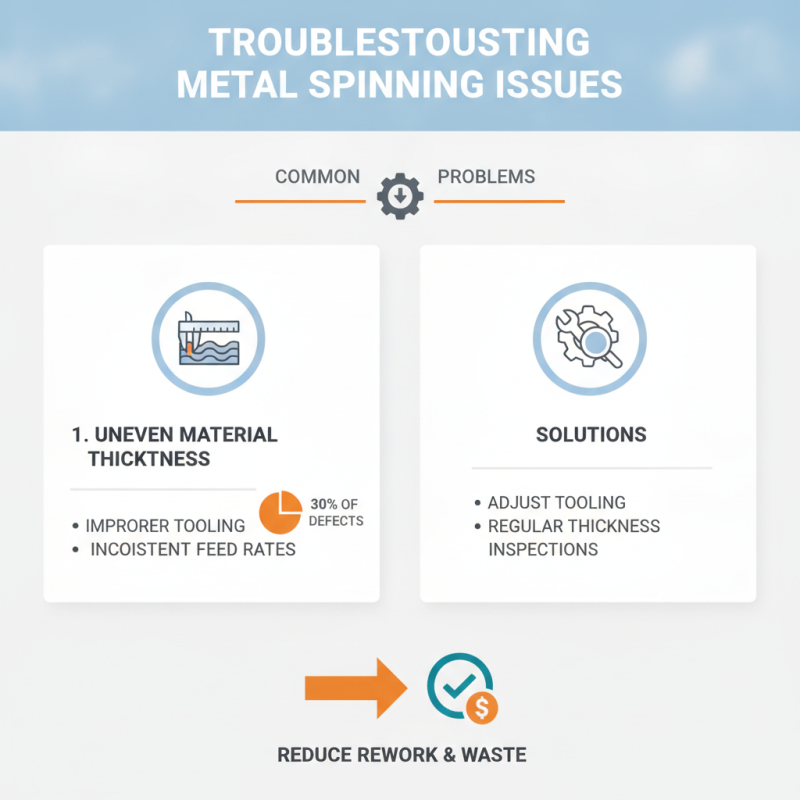
The metal spinning process can encounter several common issues that impact efficiency. One frequent problem is uneven material thickness. This often arises from improper tooling or inconsistent feed rates. According to industry reports, up to 30% of defects stem from these factors, leading to costly rework and wasted materials. Adjusting tooling, along with regular inspections of thickness can help mitigate these issues.
Another concern is vibration during the spinning process, which can negatively affect the part's quality. High vibration levels often indicate tool wear or misalignment. Studies indicate that up to 20% of production time may be lost due to these vibrations, as they can lead to increased fatigue in materials. Implementing effective maintenance strategies and calibrating spinning machinery can substantially reduce these risks.
Lastly, poor temperature control is a critical aspect that affects material properties. Without proper heating, the material may harden unpredictably, affecting formability. It has been found that controlling temperature can enhance the material's elongation by nearly 15%, improving the overall forming process. Failing to monitor this can lead to increased scrap rates and inefficiencies. Both machine operators and quality control teams must prioritize accurate temperature management.