How to Master the Spinning Metal Process for Maximum Efficiency?
Mastering the Spinning Metal Process can significantly enhance efficiency in manufacturing. This technique transforms flat metal into complex shapes with precision. It involves the use of a rotating machine that shapes metal under pressure. The right approach can lead to smoother operations and better product quality.
Many find this process challenging. Common mistakes include improper tooling or incorrect speed settings. These errors can lead to wasted materials and time. Understanding how to adjust settings based on the metal type is crucial. Testing different speeds and pressures is essential. Observing results closely can reveal opportunities for improvement.
Efficiency in the Spinning Metal Process is not just about speed. It's about achieving a balance between quality and productivity. Continuous learning and adaptation are necessary. Manufacturing is evolving, and staying informed will keep your skills sharp. Reflecting on mistakes can sharpen your techniques and improve outcomes.
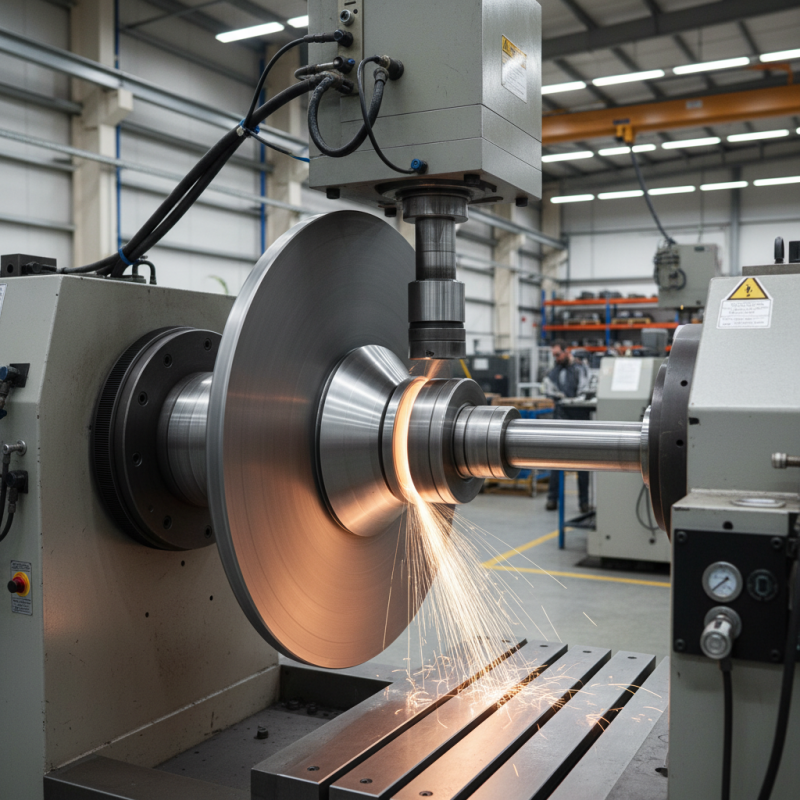
Understanding the Spinning Metal Process: Key Concepts and Terminology
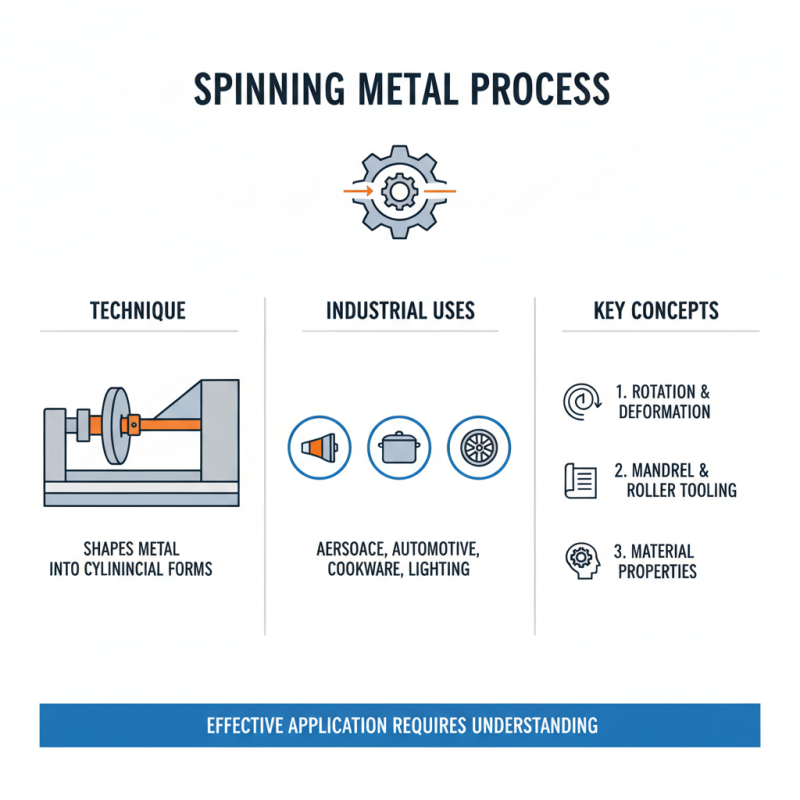
The spinning metal process is a fascinating technique used in various industries. It involves the shaping of metal into cylindrical forms. Understanding the key concepts is crucial for effective application.
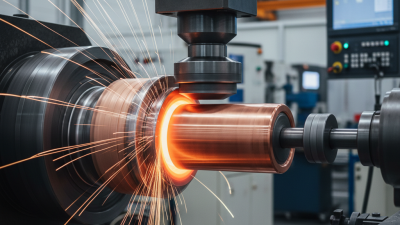
First, let's discuss deformation. This occurs when the metal is heated and spun. It allows the material to take shape without breaking. The right temperature is essential. Too hot, and the metal may become too soft; too cold, and it could crack. Monitoring temperature is a challenge. Each metal behaves differently, requiring constant adjustments.
Next, tooling is vital. The tools used in this process must be precise. They help direct the forces applied to the metal. Worn tools lead to inconsistent results. Regular maintenance is necessary. Variable factors like speed and pressure affect the outcome. It's often a trial-and-error journey to find the optimal settings. Failures can be frustrating, but they provide valuable learning experiences. Understand these key concepts for mastering the spinning metal process.
Essential Equipment for Spinning Metal: Types and Specifications
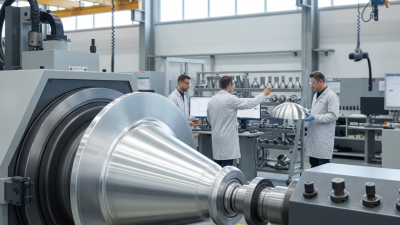
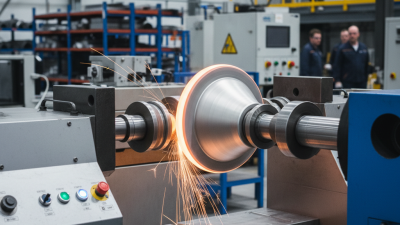
When diving into the spinning metal process, the right equipment can drastically influence your productivity. Essential tools include lathes, which rotate the metal at high speeds, allowing for precise shaping. Pay attention to the specifications of the lathe. A variable speed control is crucial. It enables you to adjust the RPM according to the material type. This flexibility is invaluable for achieving optimal results.
In addition to lathes, consider using appropriate tooling. Spinning tools come in various designs, each with unique cutting profiles. Identifying the right tool for your material will enhance efficiency. Proper tool maintenance is often overlooked. Dull tools can lead to defects or wasted materials. Regular checks and replacements are necessary.
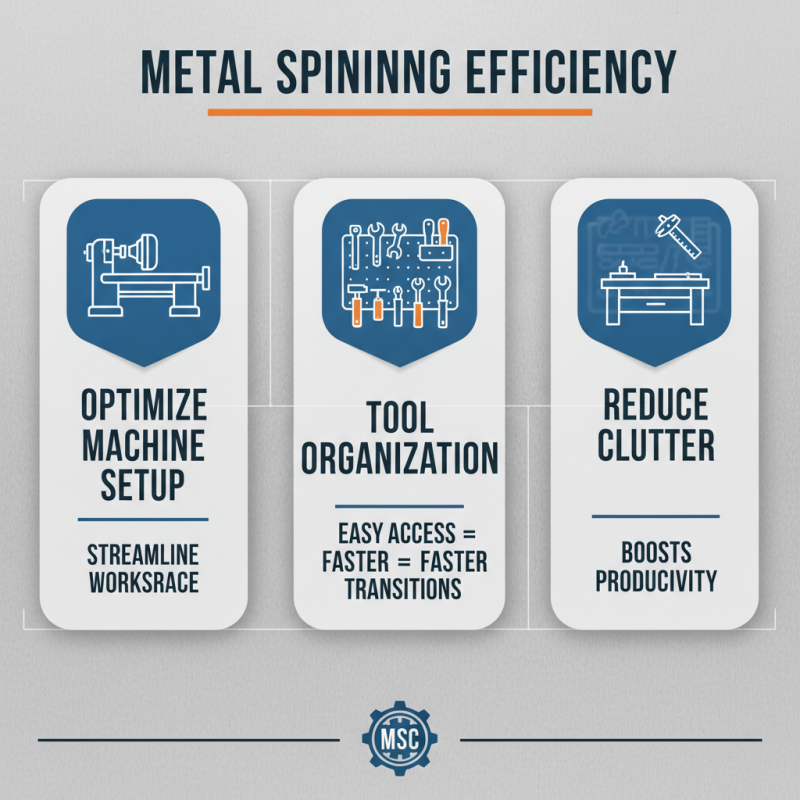
While equipment quality matters, the setup is equally important. An improperly aligned machine can create imbalances. This usually results in uneven spinning and poor finishes. Reflect on your workspace layout. A cluttered area can hinder workflow and increase the risk of mistakes. Keeping tools organized can make a significant difference. Mastering the spinning metal process is not just about having the right gear; it’s also about continuous improvement and reflection on your techniques.
Quality Control Metrics: Ensuring Precision in the Spinning Process
In the spinning metal process, quality control metrics play a crucial role. Defining the right metrics ensures precision during production. Measuring dimensions consistently can identify issues early. For instance, monitoring thickness variations helps maintain uniformity. Regular checks on surface quality avoid defects that are costly to fix later.
Data collection is essential. Tracking temperature and pressure during the process highlights potential deviations. However, not all machines behave the same way. Some may require manual adjustments that can feel overwhelming. Operators must be trained to notice subtle changes. Investing time in understanding your equipment can prevent mistakes down the line.
Feedback loops can enhance quality control. Discussing challenges within the team fosters a culture of improvement. Sometimes, metrics may suggest everything is perfect, but the final product tells another story. It's vital to reflect on these discrepancies. Embracing a mindset of continuous refinement keeps the spinning process efficient and precise.
Quality Control Metrics in Spinning Metal Process
Industry Trends: Innovations and Technological Advancements in Metal Spinning
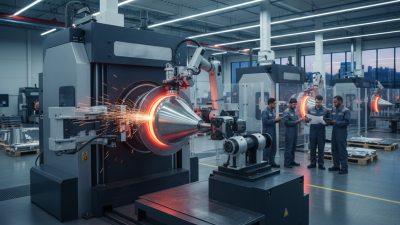
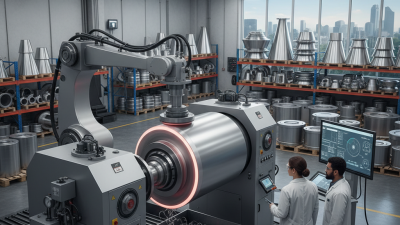
The metal spinning industry is experiencing rapid transformations. Innovations in technology are reshaping production lines. According to recent industry reports, automated spinning machines can increase productivity by up to 40%. These advancements allow for greater precision and reduced waste.
New materials are being introduced. High-strength alloys and composites are gaining popularity. These materials often improve product durability while decreasing overall weight. However, adapting to these materials can pose challenges. Not every spinning process translates perfectly to newer materials. There's a learning curve that manufacturers must navigate.
In terms of sustainability, the industry is also shifting. Companies that invest in eco-friendly technologies see a positive return on investment. A report indicated that businesses employing green practices could save approximately 30% on energy costs. Yet, not all firms have adapted quickly. Many still rely on traditional methods that lead to higher emissions. A collective effort from industry players is essential to foster change.
How to Master the Spinning Metal Process for Maximum Efficiency? - Industry Trends: Innovations and Technological Advancements in Metal Spinning
| Process Stage |
Tools/Equipment |
Efficiency Metrics |
Technological Innovations |
| Preparation |
CNC Lathes |
Setup Time (min) |
Automated Setup Software |
| Spinning |
Spinning Machines |
Production Rate (units/hr) |
Servo Motors for Precision Control |
| Finishing |
Deburring Tools |
Finish Quality Score |
Robotic Finishing Systems |
| Quality Control |
Inspection Tools |
Defect Rate (%) |
AI-Powered Inspection Systems |
| Logistics |
Transport Vehicles |
Delivery Time (hrs) |
Smart Routing Software |