2026 How to Operate a Head Flanging Machine Effectively?
Operating a Head Flanging Machine effectively requires a mix of skill and knowledge. These machines are essential in producing precise flanges for various applications. However, many operators face challenges that can lead to inefficiencies.
Understanding the machine's mechanics is crucial. The Head Flanging Machine has specific alignment points and speed settings. If these are not properly adjusted, the results can be unreliable. Operators sometimes rush through setup, leading to mistakes. Each adjustment plays a critical role in the final product's quality.
Regular maintenance cannot be overlooked. Operators often neglect this aspect. A well-maintained machine runs smoother and produces better results. However, some may procrastinate, underestimating how wear and tear affects performance. Reflecting on these points will enhance the machine's longevity and efficiency.
Understanding the Basics of a Head Flanging Machine
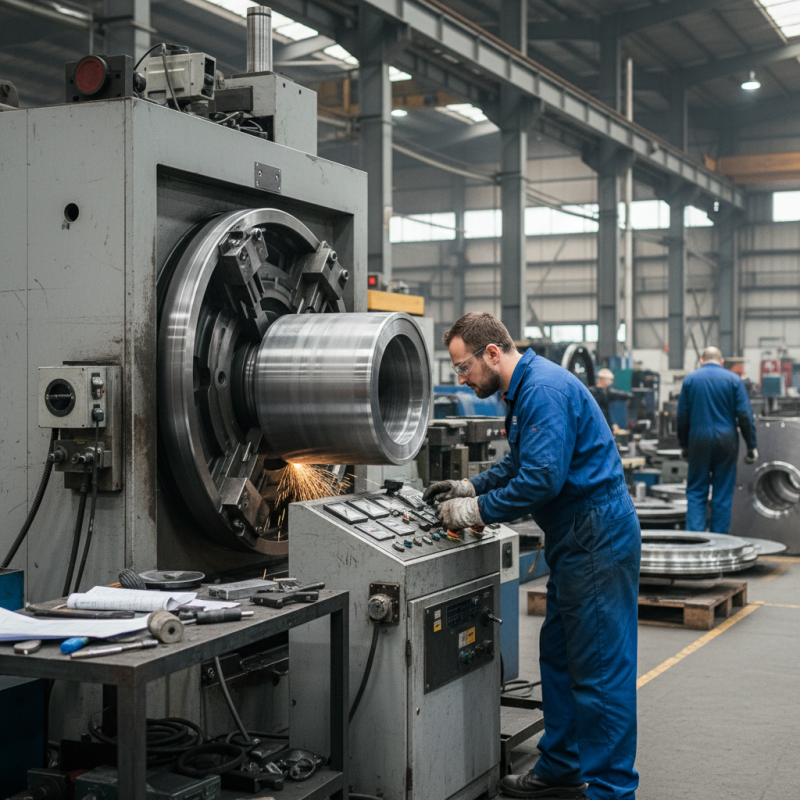
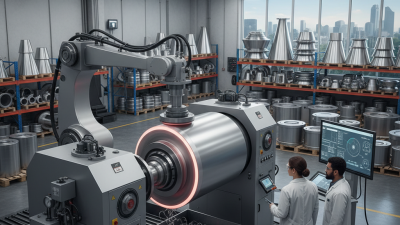
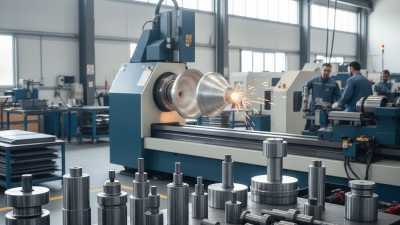
A head flanging machine is crucial in metalworking. It allows operators to form flanges on metal sheets efficiently. Understanding how it operates enhances productivity. Key components include the spindle, die, and feed mechanism. Each part plays a vital role in ensuring precision and efficiency.
The operation begins with securing the metal sheet firmly. An unstable sheet can lead to inaccuracies. Operators need to adjust the die to the required dimensions. This setup phase is essential for achieving uniform flanges. Regular maintenance checks help avoid unexpected breakdowns. Small issues can lead to significant delays and waste.
An effective approach includes monitoring the machine's speed. Too fast can result in poor quality. Slower speeds allow for more control. Operators should also be prepared to troubleshoot common issues. Awareness of these aspects makes the process smoother. Flanging isn’t just about machines but skilled hands guiding them. Reflection on techniques can lead to better outcomes.
Key Components and Their Functions in Head Flanging Machines
Head flanging machines are crucial in metalworking. They create flanges on the edges of metal sheets for various applications. A deep understanding of their components can enhance efficiency and output quality.
The main component is the flanging die. It shapes the metal as it passes through. If not properly aligned, the produced flanges might be uneven. Misalignment happens often. Operators should routinely check settings before starting work. Another important part is the hydraulic system. It applies force to shape the metal. If the pressure is too low, the flanges won't form correctly. Operators should monitor pressure levels during operation.
Lastly, the control panel is essential. It allows operators to adjust settings in real time. But, it can sometimes confuse inexperienced users. Familiarization with the control layout prevents operational errors. Regular training on this aspect is vital. Mistakes can lead to wasted materials and time. It’s important to reflect on these challenges to improve skills and machine performance.
Step-by-Step Guide to Operating a Head Flanging Machine
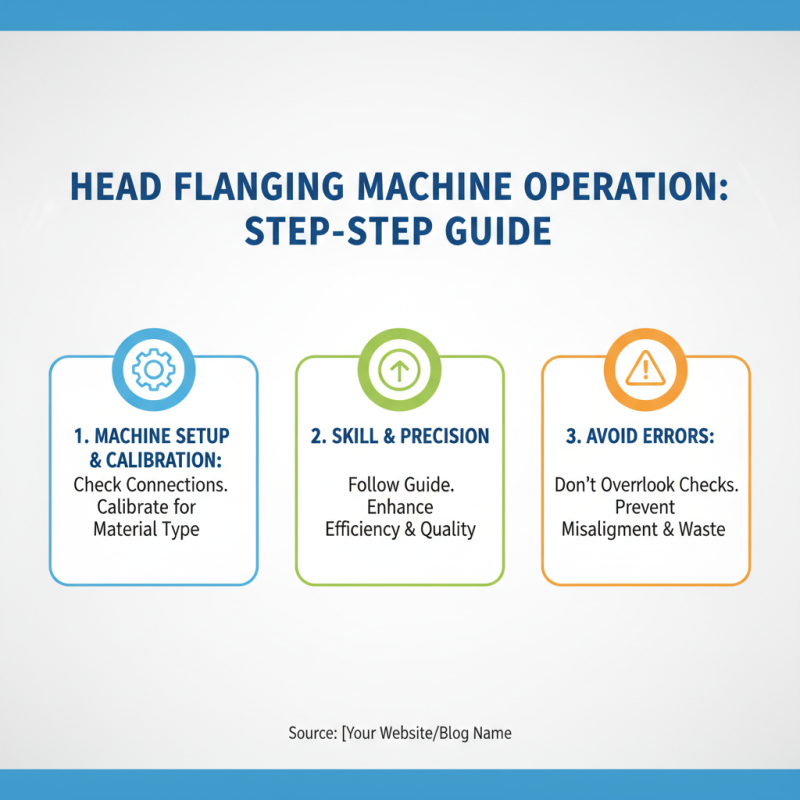
Operating a head flanging machine requires skill and precision. Following a step-by-step guide can significantly enhance both efficiency and quality. The first step is ensuring that the machine is set up correctly. This includes checking all connections and calibrating the machine according to specific material types. Often, operators overlook these initial checks, resulting in misalignment or wasted materials.
Next, it's essential to adjust the flanging parameters. These include speed, pressure, and angle. Research shows that incorrect settings can reduce production efficiency by up to 30%. Operators should calibrate each setting based on the material being processed. A common oversight is not adjusting for variations in material thickness, which can lead to defects.
**Tips:** Always inspect the machine regularly. Even minor wear can affect performance. Maintain a clean workspace, as debris can interfere with operations.
When operating the machine, observe closely. Misinterpretations of visual cues can lead to significant errors. If something seems off, stop and reassess. Reflecting on mistakes can improve future operations. Keeping a journal of learnings and observations can help identify patterns and enhance expertise over time.
Safety Precautions and Best Practices for Flanging Operations
Operating a head flanging machine requires careful attention to safety precautions. Proper training is essential for all operators. They should understand the equipment's mechanics and limitations. Wearing personal protective equipment, such as gloves and goggles, can prevent injuries. Regularly check the machine for wear and tear. Ignoring maintenance might lead to accidents.
Staying focused during operations is crucial. Distractions can cause mistakes. Operators should maintain a clutter-free workspace. This reduces the risk of trips and falls. It’s also important to stay aware of the machine's movements. Avoid placing hands too close to moving parts. Simple reminders can help in maintaining safety standards.
Post-operation inspections are equally vital. Evaluating the machine’s performance can highlight areas for improvement. Operators should reflect on their workflow frequently. Asking questions about efficiency can lead to better practices. Learning from past experiences helps enhance future operations.
2026 How to Operate a Head Flanging Machine Effectively? - Safety Precautions and Best Practices for Flanging Operations
| Dimension |
Best Practices |
Safety Precautions |
Maintenance Tips |
| Machine Setup |
Ensure accurate alignment of flanging components. |
Wear appropriate personal protective equipment (PPE). |
Regularly check and calibrate machine settings. |
| Material Selection |
Select materials compatible with flanging operations. |
Inspect materials for defects before use. |
Keep materials stored in a clean environment to prevent corrosion. |
| Operational Procedures |
Follow the manufacturer's guidelines closely. |
Maintain a safe distance from moving parts. |
Clean and lubricate machine parts regularly. |
| Quality Control |
Conduct tests on flanged components for strength. |
Report any unsafe conditions immediately. |
Implement a routine inspection schedule. |
Common Issues and Troubleshooting Tips for Effective Operation
Operating a head flanging machine can be challenging. Common issues often arise during production. Mechanical failures, improper setups, and operator errors are key concerns. A recent industry report showed that about 30% of downtimes stem from machine malfunctions. Regular maintenance can reduce these issues significantly.
Calibration errors may lead to defective flanges. Ensure the machine is precisely calibrated before each use. In many cases, misalignment results in material wastage. It’s crucial to check alignment continually throughout the production run. Industry statistics indicate that unchecked misalignments can increase production costs by up to 25%.
Training for operators is essential. New operators often struggle with complex controls. This may lead to mistakes and inefficient operation. A focus on continuous training can alleviate this. Companies that prioritize operator education saw a 20% improvement in efficiency. In addition, fostering an environment for feedback helps identify issues quickly. Ultimately, addressing these common problems can lead to more efficient operations and cost savings.