Leave Your Message

7 Best Accurate Metal Spinning Manufacturers Worldwide

Choosing among the 7 Best Accurate Metal Spinning Manufacturers Worldwide requires more than comparing websites or equipment photos. Metal spinning supports aerospace housings, lighting reflectors, medical components, cookware, and industrial vessels. Each application demands different evidence, including material traceability, wall-thickness control, tooling capability, and repeatable inspection.

The manufacturing environment is becoming more automated. The International Federation of Robotics reported 541,302 new industrial robots installed worldwide in 2023, showing how production quality increasingly depends on controlled processes. Deloitte’s 2024 Global Manufacturing Industry Outlook also identifies automation, digital production, and resilient supply chains as major industry priorities. These trends affect metal spinning directly. A capable supplier should demonstrate CNC spinning experience, skilled manual forming, digital inspection, and reliable production planning.

Precision matters.

This guide evaluates manufacturers through practical criteria rather than marketing language. Relevant standards may include ISO 9001 for quality management, AS9100 for aerospace production, and IATF 16949 for automotive supply chains. However, certification alone does not prove excellent spinning results. Buyers should request sample inspection reports, tolerance data, material certificates, and photographs of finished parts. The ISO Survey 2023 confirms the broad adoption of ISO 9001 worldwide, but compliance still depends on daily execution.

The ranking is not absolute. Project complexity, order volume, alloy selection, and delivery location can change the best choice. That limitation deserves attention. A manufacturer producing flawless aluminum lamps may not handle deep-drawn stainless steel components equally well. By combining industry reports, technical capabilities, customer evidence, and realistic supplier verification, this overview offers a more dependable starting point for selecting an Accurate Metal Spinning partner.
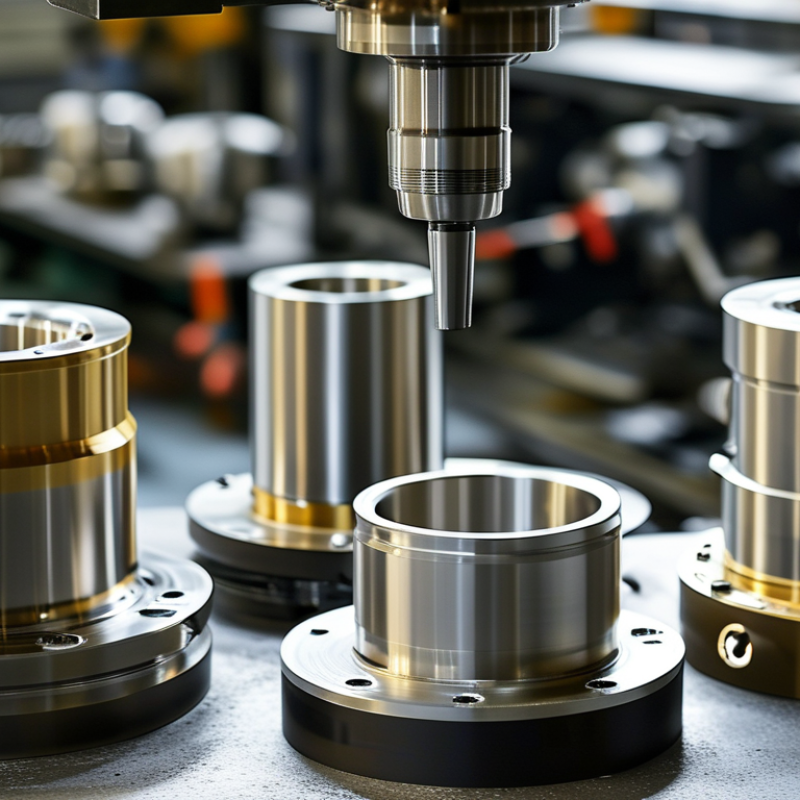
7 Best Accurate Metal Spinning Manufacturers Worldwide

What Defines an Accurate Metal Spinning Manufacturer

7 Best Accurate Metal Spinning Manufacturers Worldwide

What Defines an Accurate Metal Spinning Manufacturer

An accurate metal spinning manufacturer controls shape, wall thickness, and repeatability from prototype to production. Skilled operators understand how aluminum, stainless steel, copper, and nickel alloys react under pressure. Their experience helps prevent wrinkles, cracks, thinning, and uneven edges.

Precision begins with clear drawings and stable tooling. Reliable manufacturers verify tool dimensions before forming begins. They also monitor spindle speed, feed rate, lubrication, and material thickness during production. Inspection should include calibrated gauges, coordinate measuring machines, or laser scanning when required. Numbers matter. Each batch needs traceable inspection records, material certificates, and documented corrective actions.

Tips: Ask for sample inspection reports, tolerance capabilities, tooling methods, and production experience with similar geometries. Check whether engineers review difficult drawings before quoting. A confident supplier will explain risks instead of promising impossible tolerances. ISO-based quality systems can support consistency, but certificates alone prove little without daily control.

Accuracy also depends on communication. Manufacturers should clarify datum points, surface-finish expectations, heat treatment, and packaging requirements. Even experienced teams can miss a small detail in a complex drawing. That weakness deserves attention, not concealment. A practical supplier tests critical features early, discusses process limits, and improves the design when necessary. The best choice is not always the cheapest or most automated. It is the manufacturer that repeatedly delivers measurable results.
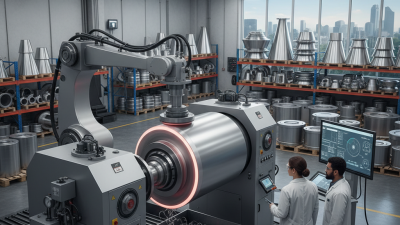
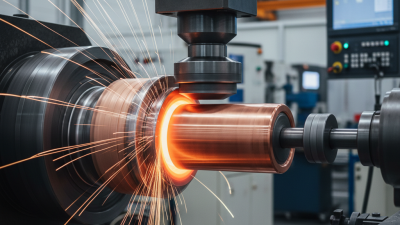
7 Best Accurate Metal Spinning Manufacturers Worldwide - What Defines an Accurate Metal Spinning Manufacturer
Rank Anonymous Manufacturer Profile Primary Manufacturing Strength Typical Part Diameter Range Typical Dimensional Capability Common Materials Processed Quality and Process Controls Typical Applications Accuracy Indicator
1 CNC Precision Spinning Specialist Repeatable CNC metal spinning for medium-volume production Approx. 50–1,000 mm Often engineered to approximately ±0.10–0.25 mm, depending on geometry and material Aluminum, stainless steel, copper, brass, mild steel CNC program control, first-article inspection, in-process dimensional checks Lighting reflectors, housings, industrial covers, appliance components High repeatability
2 Aerospace-Grade Forming Specialist Low-defect forming of lightweight alloys and difficult geometries Approx. 100–1,500 mm Commonly controlled within approximately ±0.15–0.30 mm on defined features Aluminum alloys, titanium, nickel alloys, stainless steel Traceability, controlled tooling, material certification, non-destructive inspection where required Aircraft ducting, aerospace cones, engine-related covers, satellite components Traceable production
3 Large-Diameter Industrial Spinner Heavy-duty spinning for large, deep, and thick-gauge components Approx. 500–3,000 mm Typically approximately ±0.30–0.80 mm, depending on size, thickness, and profile depth Carbon steel, stainless steel, aluminum, nickel alloys Forming-force monitoring, profile templates, weld and surface inspection when applicable Pressure vessels, industrial tanks, ductwork, machine guards Large-part control
4 High-Volume Automotive Forming Specialist Fast, consistent production of repeatable rotational components Approx. 80–800 mm Often approximately ±0.15–0.40 mm for critical formed dimensions Aluminum, stainless steel, coated steel, low-carbon steel Statistical process control, automated gauging, batch traceability, capability studies Exhaust components, wheel-related parts, motor housings, thermal shields Production consistency
5 Prototype and Short-Run Engineering Manufacturer Rapid prototyping, design refinement, and flexible low-volume production Approx. 25–1,200 mm Usually approximately ±0.20–0.50 mm, finalized after design and material review Aluminum, copper, brass, stainless steel, mild steel CAD review, prototype inspection, digital measurement, documented design feedback Product development, laboratory equipment, custom enclosures, architectural parts Design flexibility
6 Precision Reflector and Lighting Component Specialist Smooth surfaces, controlled profiles, and optical-reflector geometry Approx. 100–900 mm Commonly approximately ±0.15–0.35 mm, with profile requirements defined by the application Aluminum, copper, brass, stainless steel Surface-finish inspection, profile templates, coordinate measurement, protective handling LED reflectors, industrial luminaires, solar concentrators, decorative metalwork Profile accuracy
7 Certified Multi-Process Metal Forming Manufacturer Integrated spinning, trimming, machining, welding, and finishing Approx. 50–2,000 mm Typically approximately ±0.20–0.50 mm before any secondary precision machining Aluminum, stainless steel, carbon steel, copper, nickel alloys Documented quality system, incoming inspection, final inspection, process records Energy equipment, medical housings, industrial assemblies, commercial hardware Process integration
Note: Metal-spinning tolerances are typical engineering ranges rather than universal limits. Actual capability depends on material grade, blank thickness, diameter, profile depth, tooling, production volume, and secondary machining requirements.

Key Criteria for Comparing Global Metal Spinning Companies

Comparing global metal spinning companies requires more than checking equipment lists. In practical sourcing, I examine formed samples, inspection records, and the engineer’s response to difficult questions. Ask for evidence of tolerances, not attractive photographs. Measure wall thickness. Review material grades, diameter limits, tooling methods, and repeatability across production runs. An experienced supplier should explain springback, wrinkling, thinning, and how operators control each risk. Vague answers deserve caution. No factory is perfect.

Quality systems separate a capable workshop from a dependable manufacturing partner. Check calibration dates for micrometers, height gauges, coordinate measuring equipment, and surface-finish instruments. Request sample inspection reports with actual readings and stated acceptance limits. Traceability matters when several alloys or heat treatments enter one project. Look for documented corrective actions, not promises made during a sales call. Ask how nonconforming parts are isolated, reviewed, and reported. Photos help. Controlled records help more.

International comparison also depends on communication and production discipline. Clarify drawing control, engineering-change approval, packaging, export documentation, and delivery milestones before ordering. A strong team identifies unclear dimensions early and proposes a practical test piece. That experience can prevent expensive tooling changes. Yet I would not treat a certificate as proof of daily performance. Audit findings, recent references, and a small pilot order reveal more. Sometimes the best choice is not the cheapest quote. Sometimes it is simply the clearest one.

Seven Leading Metal Spinning Manufacturers Worldwide

The seven leading metal spinning manufacturers worldwide stand out through repeatable quality, skilled forming, and dependable production control. They manufacture reflectors, housings, covers, pressure-related parts, and custom industrial components. Their workshops often combine experienced operators with CNC spinning equipment. This balance supports both prototypes and larger production runs.

Dimensional accuracy matters, but it is not the only measure. Strong manufacturers document material grades, tool conditions, wall thickness, and inspection results. They may use coordinate measuring machines, gauges, and surface checks during production. Clear traceability also helps engineers investigate defects quickly. Ask for sample reports.

Practical experience can reveal important differences. A capable supplier discusses aluminum, stainless steel, copper, and high-strength alloys realistically. They explain springback, thinning, wrinkles, and heat treatment before production begins. Their engineers should suggest workable radii and tolerances instead of accepting every drawing without question. That honesty builds trust.

No manufacturer is perfect. Minor tool marks, setup delays, or communication gaps can still occur. The better companies acknowledge these risks and improve their process. Review delivery records, corrective-action procedures, inspection standards, and customer references before selecting a partner. A factory visit can expose details that brochures often hide, such as material storage, operator training, and workspace organization. Cost matters, but inconsistent parts can create greater expenses later.

Capabilities, Materials, and Industries Served by Each Manufacturer

7 Best Accurate Metal Spinning Manufacturers Worldwide

The best metal spinning manufacturers differ by equipment, materials, and production focus. One may specialize in CNC spinning for tight tolerances and repeatable aluminum parts. Another may handle heavy-gauge steel for tanks, cones, and industrial housings. Thin-wall specialists produce reflectors, lighting shells, and precision enclosures with careful pressure control.

Advanced manufacturers often work with aluminum, stainless steel, copper, brass, titanium, and selected nickel alloys. Material expertise affects springback, surface finish, heat treatment, and final dimensions. Their customers may come from aerospace, automotive, energy, medical equipment, lighting, food processing, and architectural fabrication. Some facilities support prototypes and short runs. Others combine spinning, trimming, welding, machining, and inspection for higher-volume programs. I have seen capable suppliers miss delivery targets when secondary operations were outsourced. That weakness deserves attention.

Tips: Ask for sample inspection reports. Confirm material traceability. Request tolerance data for similar parts. Review tooling ownership and repair terms. A supplier’s machine list is useful, but process evidence matters more. Check whether operators inspect profiles during forming, not only after production. No manufacturer is perfect. Even experienced teams can underestimate distortion on deep or asymmetrical shapes. A realistic supplier will explain those risks and suggest design changes before tooling begins.

7 Best Accurate Metal Spinning Manufacturers Worldwide

Representative materials, capabilities, and industries served across the precision metal spinning sector

Aluminum, stainless steel, copper, brass, and carbon steel are widely used in metal spinning because they can be formed into seamless cylindrical, conical, and hemispherical components. Typical applications include aerospace, lighting, automotive, HVAC, medical equipment, energy, and industrial machinery.

How to Select the Right Metal Spinning Partner for Your Project

Selecting a metal spinning partner requires more than comparing hourly rates. Look for proven experience with your material, diameter range, wall thickness, and production volume. Ask to see sample parts or documented case histories. Details matter. A capable manufacturer should explain how it controls springback, thinning, wrinkles, and surface marks. Request tolerance data from real production, not only theoretical capability. Discuss tooling ownership, repair plans, and expected setup time before approving a quotation. If your design is still changing, choose a team willing to review drawings and suggest practical adjustments. This can prevent costly rework, although design advice is never a substitute for your own engineering review.

Professional credibility also appears in the factory’s quality system. Check how operators inspect dimensions, how gauges are calibrated, and whether material certificates remain traceable. Ask for inspection records, nonconformance procedures, and a clear approval process for deviations. Relevant certifications may support confidence, but certificates alone do not guarantee consistent parts. Visit the facility when possible. Observe housekeeping, machine condition, operator training, and how finished components are protected. Reliable communication matters across time zones; confirm response times, reporting formats, and escalation contacts. Capacity should be tested against your actual schedule, including pilot runs and peak demand. My own evaluations have sometimes focused too heavily on equipment lists. That was a mistake. A polished website proves little. A transparent trial order, measurable acceptance criteria, and honest discussion of limitations reveal much more. Leave room for questions. Good partnerships grow through evidence, not promises.